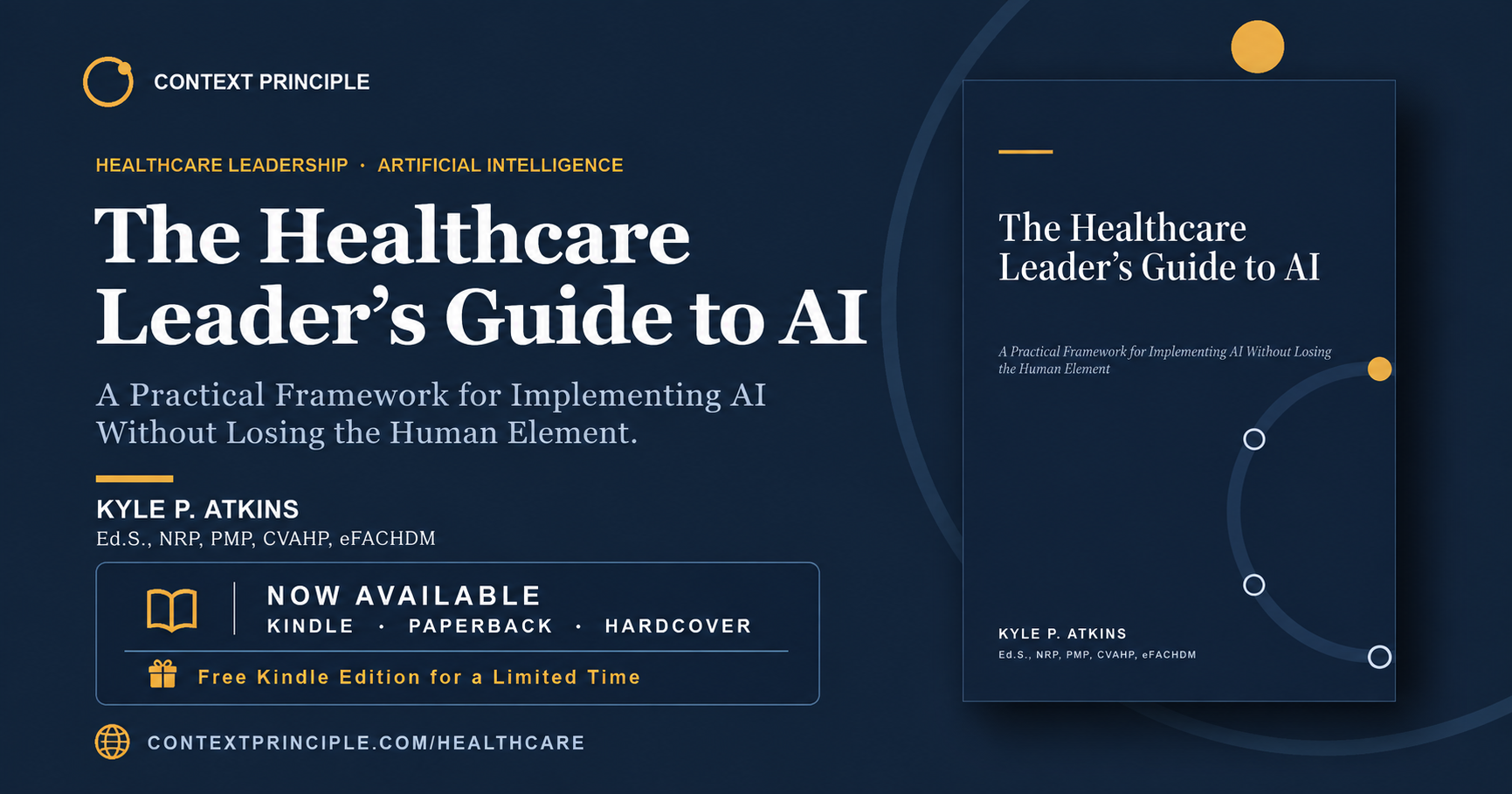
AI is moving faster than most healthcare organizations can respond to. The Healthcare Leader’s Guide to AI grew from a simple question: how do we embrace what AI makes possible without losing the human judgment, accountability, and context healthcare depends on?
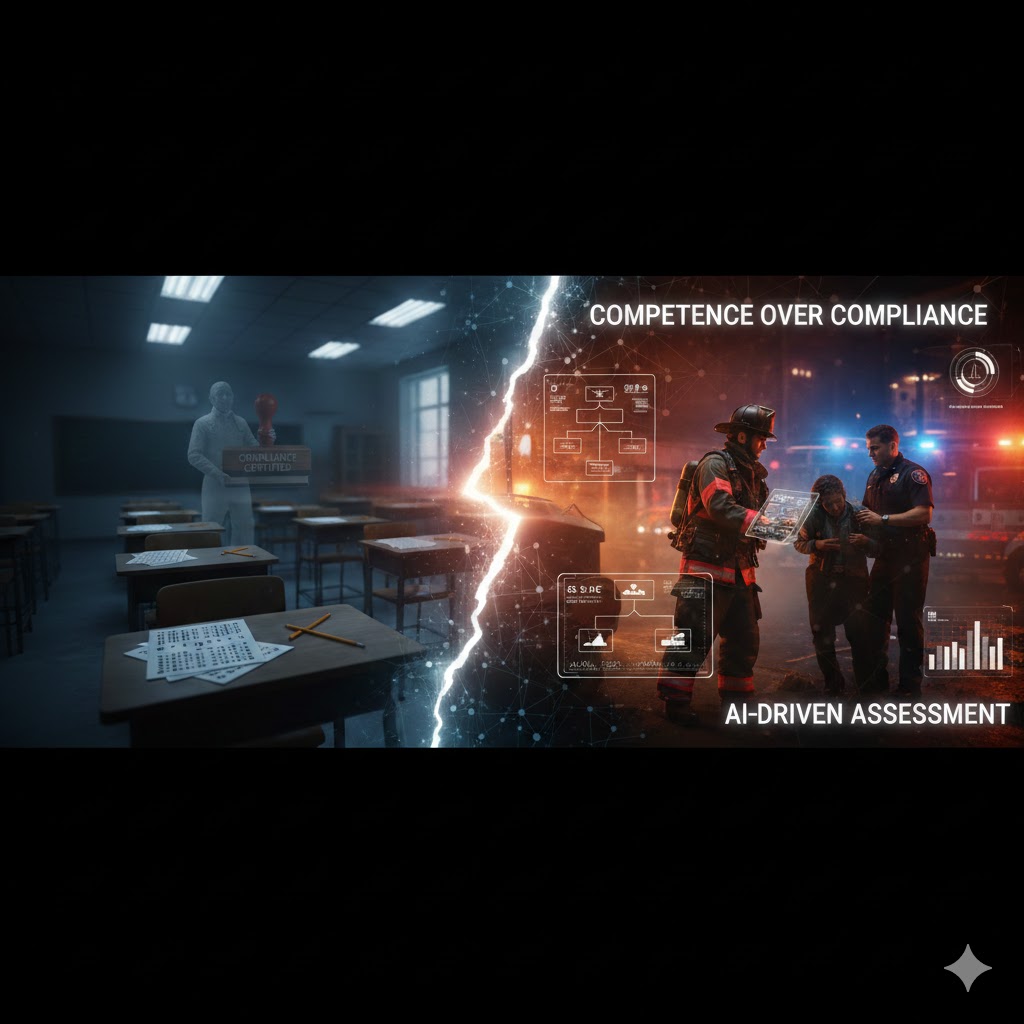
Why are we still using multiple-choice tests to certify the people we trust with our lives? It's time to shift to AI-driven, high-fidelity competence assessment.
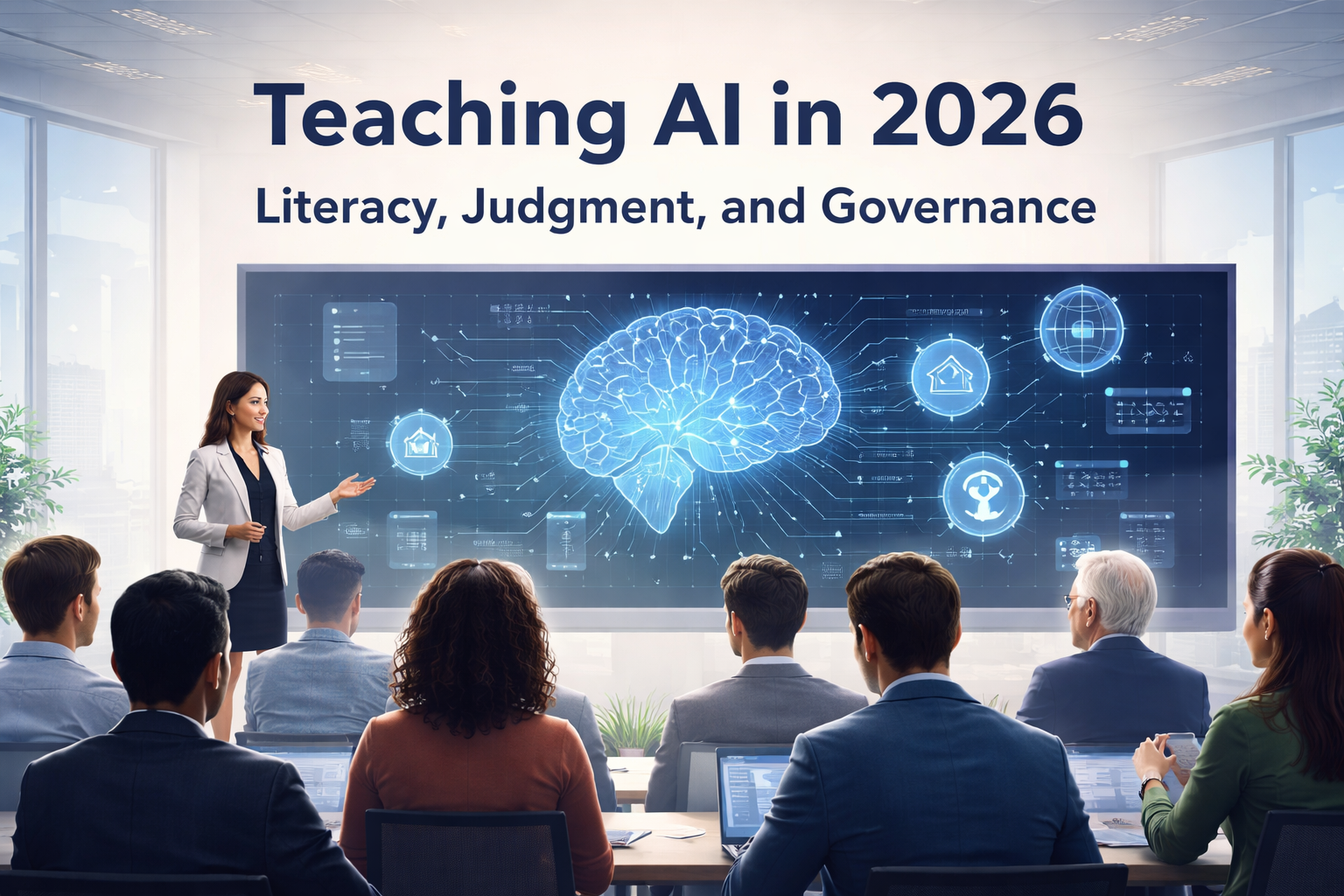
Most AI training today focuses on tools—prompts, platforms, and features that change faster than organizations can adapt. In 2026, that approach is no longer sufficient. Effective AI education must center on literacy, judgment, and governance, preparing people to understand when AI should be used, when it shouldn’t, and who remains accountable when it is.
AI is moving faster than most healthcare organizations can respond to. The Healthcare Leader’s Guide to AI grew from a simple question: how do we embrace what AI makes possible without losing the human judgment, accountability, and context healthcare depends on?
If failure is unacceptable, learning becomes impossible. In an era obsessed with perfection, we’ve lost sight of the role productive struggle plays in building resilient systems, strong leaders, and meaningful innovation.
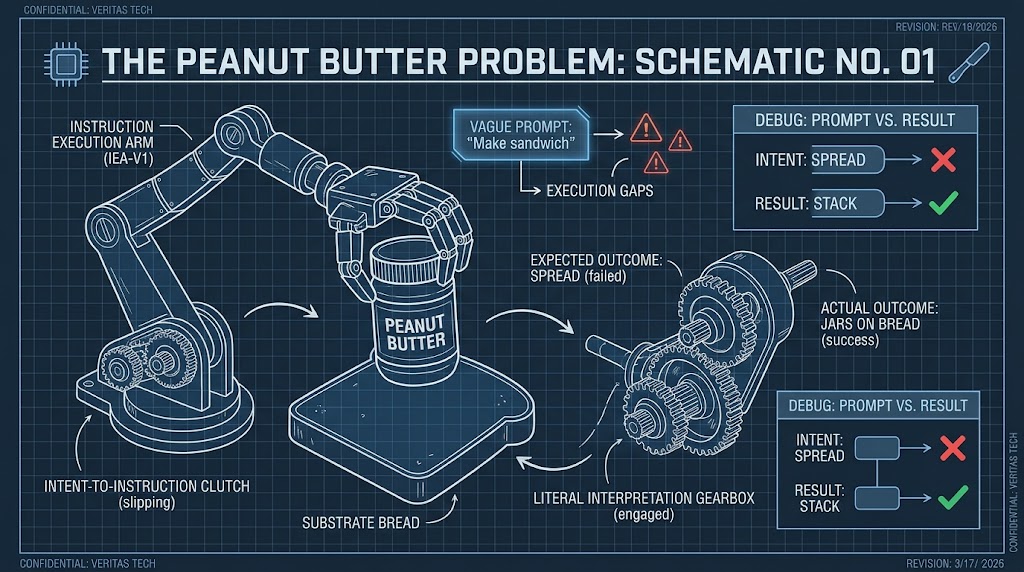
If you have ever seen the exercise where kids are asked to write instructions for making a peanut butter and jelly sandwich, you know how quickly things can fall apart. Vague commands like "Put peanut butter on the bread" result in unopened jars sitting on top of a single slice. It’s a classic lesson in the difference between intent and execution.
When someone says, “Oh, you used AI for that,” the implication is clear: the work somehow counts less. But that reaction misunderstands what AI actually is. The human still defines the problem, guides the process, and decides what matters. AI doesn’t replace human ingenuity—it expands what one person can build.
AI has forced higher education to confront an uncomfortable truth: many of our assessments were built for efficiency, not authenticity. When students can generate polished text instantly, we must ask whether we were measuring learning — or simply measuring production. The solution isn’t prohibition. It’s redesign. By shifting toward process-based evaluation, scenario-based learning, oral defense, and AI transparency, institutions can transform this moment from crisis into catalyst. AI isn’t the threat. Stagnation is.
Why are we still using multiple-choice tests to certify the people we trust with our lives? It's time to shift to AI-driven, high-fidelity competence assessment.
Most AI training today focuses on tools—prompts, platforms, and features that change faster than organizations can adapt. In 2026, that approach is no longer sufficient. Effective AI education must center on literacy, judgment, and governance, preparing people to understand when AI should be used, when it shouldn’t, and who remains accountable when it is.
For almost a decade, I didn’t really code. Not because I couldn’t—but because modern software moved faster than I could reasonably re-enter. AI changed that. This is a reflection on coming back inside the system—and what it means to build responsibly at the intersection of systems and people.
A childhood “$5 Christmas” taught me that people don’t need perfect gifts—they need to know they’re seen and cared for. Years later, after seasons of struggle and unexpected kindness, I’m convinced more than ever that small things truly matter.
As AI amplifies long-standing flaws in grading, assessment, and teacher preparation, education faces a pivotal moment. This post explores what went wrong and how we create a system grounded in evidence, competence, and real learning.
We’ve all done it: stand tall, speak louder, smile bigger.
It looks like confidence. It feels like confidence. But often, it’s not.
False confidence is fragile—it crumbles when the room empties.
True confidence is different. It’s rooted in growth, earned through setbacks, and steady under pressure.
The people closest to you can tell the difference.
We’ve all heard it: “I’m a visual learner.” “That student is kinesthetic.”
It sounds right. It feels right. But the research is clear: tailoring instruction to learning styles doesn’t actually improve learning outcomes.
The danger?
Students limit themselves with labels.
Teachers waste energy trying to match “styles.”
Real, evidence-based strategies get overlooked.
Instead of styles, we should focus on strategies: retrieval practice, spacing, interleaving, elaboration—and designing lessons based on the task, not a learner’s label.
We’ve all worked with someone who loved buzzwords.
One of mine used “synergy” in nearly every conversation. It sounded smart, it earned nods in the room — but nothing ever came of it.
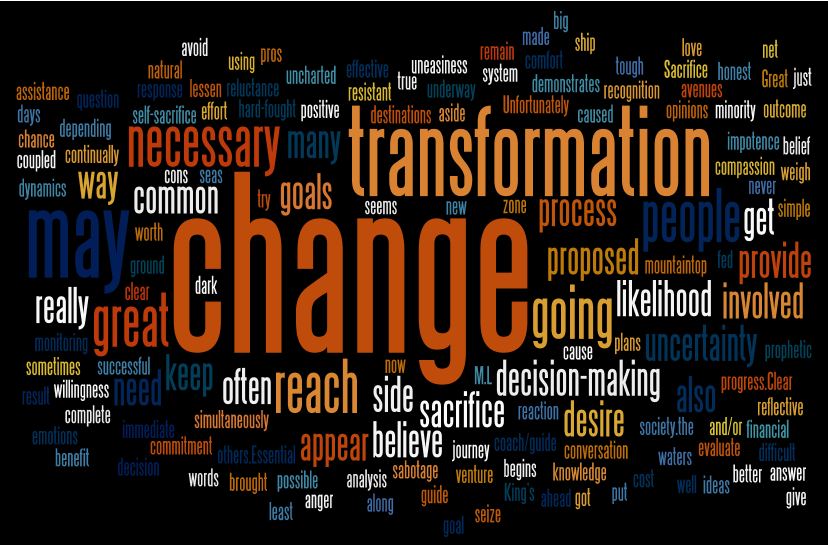
That’s exactly what happens when leaders sprinkle the word “transformation” on top of projects that are really just small changes. It looks good in a PowerPoint, but it doesn’t rebuild what’s broken.
Change takes a few keystrokes and a purchase order.
Transformation takes grit, vision, and the courage to admit — and then rebuild — what’s broken.
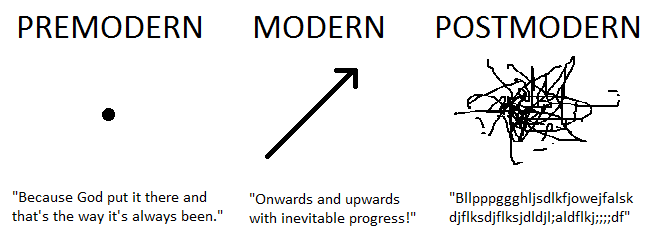
For years, I’ve watched postmodern thinking creep in—this idea that truth is relative, that “my truth” matters more than any shared truth. At first it seemed harmless, even inviting. But when everything becomes true, nothing really is. And when nothing is true, evil finds space to thrive.
AI won’t save healthcare—leaders will.
At a recent appointment for my kids, an AI tool meant to improve connection did the opposite. It turned the visit into a script we couldn’t escape. The problem wasn’t the tech—it was leadership.
👉 In my latest blog, I unpack why leadership—not apps—determines whether AI strengthens or weakens care.
Permission is the most dangerous illusion in leadership. Too many great ideas stall because someone is waiting for consensus or a green light that never comes. The truth is, the biggest innovations in healthcare, EMS, and education didn’t start with approval; they started because someone built anyway. If you wait for permission, you’ll always be behind.
Occasional essays on healthcare AI governance, clinical education, and executive leadership. Sent directly when a new article or resource is published—no weekly filler.